blog
July 28, 2026

What Does a Private Jet Actually Cost? (Spoiler: The Sticker Is the Cheap Part)

A private jet costs anywhere from about $2 million for an older very light jet to north of $100 million for an ultra-long-range flagship, and then another $500,000 to $2 million every year keeping it in the sky. Here is the real number.

textured bg

Short answer: a private jet costs anywhere from about $2 million for an older very light jet to north of $100 million for an ultra-long-range flagship, and then you spend another $500,000 to $2 million every year keeping it in the sky.

The purchase price is the appetizer. The operating costs are the entrée, the wine, and the check you didn't see coming. Let's break down the real number.

Step one: the purchase price (the part everyone Googles)

Here's the rough 2026 lay of the land by category:

  • Very light jets: ~$2M–$5M new. Short hops, 4–6 seats, one lavatory you'll be intimate with.
  • Light jets: ~$3.5M–$9M new. The Citation CJ / Phenom 300 world. Comfortable for a few hours.
  • Midsize / super-midsize: ~$5M–$30M. Stand-up cabins, transcontinental range, the sweet spot for a lot of buyers.
  • Large & ultra-long-range: ~$25M–$100M+. Gulfstream G700s, Global 7500s. Bedrooms. In an airplane. Yes, really.

And the money-saving move most people miss: pre-owned jets typically run 20–50% less than new. A five-to-ten-year-old aircraft with clean logs and a good engine program can be a spectacular buy. You let the first owner eat the steepest depreciation, and you get most of the same airplane. New gets you the latest avionics, a warranty, and that new-jet smell; used gets you a better balance sheet.

textured bg

Step two: the costs that don't fit on a price tag

This is where first-time buyers get ambushed. Owning a jet has two kinds of costs, and only one of them cares whether you fly.

Fixed costs (the bills that show up whether the jet moves or not)

  • Crew: $100,000–$300,000 per pilot, and most jets need two. Add a cabin attendant if you like being handed things.
  • Hangar: $30,000–$200,000+ a year. A heated hangar at a major metro hub costs what a nice house costs in most of the country.
  • Insurance: roughly 1–3% of the aircraft's value annually, so $15,000 on a small jet, $85,000+ on a big one.
  • Management & compliance: inspections, database updates, regulatory filings, and management fees (often 10–15% of operating costs if you outsource the headaches).

Variable costs (the meter that runs when you fly)

  • Fuel: the single biggest variable, 25–35% of operating cost. A light jet sips ~120–200 gallons an hour; a heavy jet gulps 400–500. At ~$6 a gallon, that's $720 to $3,000+ per hour just in gas.
  • Maintenance per flight hour, landing fees, catering, and the FBO charges for parking, cleaning, and handling.

Add it all up and most owners land at $500,000 to $2 million a year in operating costs, before depreciation, which quietly shaves another 5–10% off the aircraft's value annually whether you look or not.

"OnlyJets sources the right private jet for every trip from a global network of vetted operators. Matched to your schedule, your preferences, and your mission, with safety and value on every flight."

James Whitfield
VP of Client Relationships

The per-hour reality check

Want the number that actually matters? Cost per flight hour, all-in:

  • Very light jets: ~$660–$1,100/hr
  • Light jets: ~$1,000–$1,100/hr direct, more all-in
  • Midsize jets: ~$2,500–$4,000/hr
  • Ultra-long-range: $7,600+/hr

Notice something? The fewer hours you fly, the more each one actually costs, because you're spreading those brutal fixed costs across a smaller number of flights. Fly your jet 50 hours a year and each hour effectively costs a fortune. Fly it 400 and suddenly the math looks reasonable. This is the entire reason "how much does a jet cost" has no single answer: it depends on how much you use it.

The hidden costs nobody itemizes

  • Depreciation: the invisible $500k–$1M a year we mentioned. Real money, just silent.
  • Unplanned maintenance: a surprise engine or avionics event can run into six figures with zero warning.
  • Regulatory & navigation updates: small individually, annoying collectively, tens of thousands a year.
  • Property/registration taxes: which vary wildly by where the aircraft is based. Registration strategy is a genuine lever here, and a good advisor can save you real money.
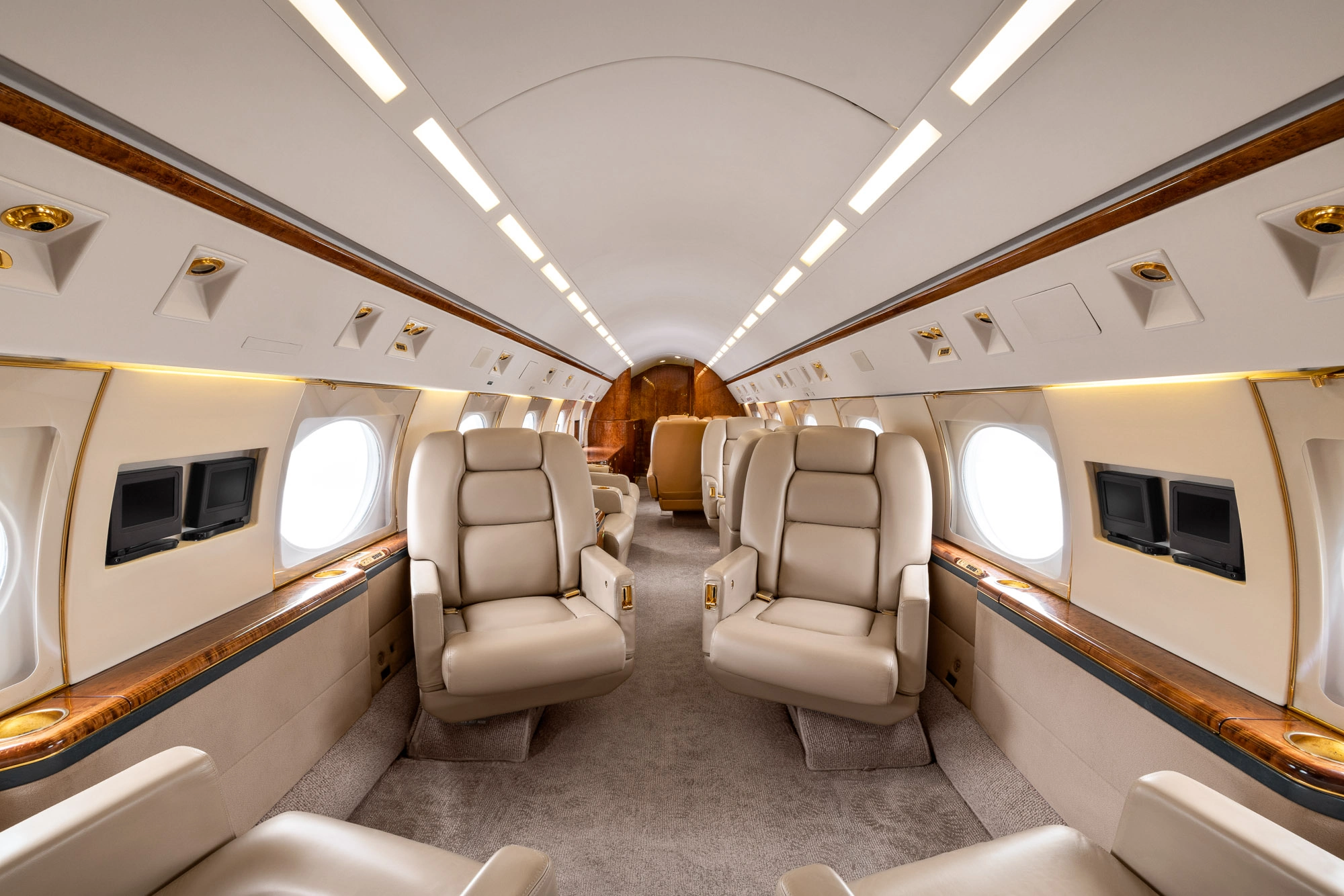
Private jet cabin interior in flight
textured bg

So what should you budget?

Honest framework:

  1. Purchase price. Pick your category by mission, not ego. The 80/20 rule: buy the jet that nails 80% of your trips, charter the oddball 20%.
  2. Annual operating budget. Assume $500k–$2M depending on size and hours. If that number makes you flinch, that's useful information.
  3. Depreciation. Pencil in 5–10% of value per year as a real cost of ownership.
  4. A pre-purchase inspection. $15k–$50k, and worth every penny. Skipping it to save money is how you buy someone else's expensive problem.

The bottom line

A private jet costs far more than its price tag. The sticker is often just a fraction of what you'll spend over the years you own it. That's not a reason to run away. It's a reason to walk in with the full number in front of you instead of the pretty one.

The buyers who get burned are the ones who fell in love with a sticker price and got blindsided by the operating reality. The buyers who do great are the ones who ran the whole equation, purchase, operating, depreciation, taxes, before they signed.

That's the math we run for clients before they spend a dollar. We'll price the aircraft to the real market, verify the history under the paint, and tell you the total number, not just the one that sells airplanes.

Before your next aviation decision, talk to someone with no commission riding on your signature. A short conversation now can save you the cost of the wrong call later.